
Cogs Course Catalog
Cogs Course Catalog - These course materials will complement your daily lectures by enhancing your learning and understanding. The courses listed below are provided by the jhu public course search. Basic issues related to cognition, including perception, memory, language, learning, problem solving, spatial cognition, attention, mental imagery, consciousness, brain damage, development, and artificial intelligence, are considered from the perspectives of psychology, philosophy, computer science, and neuroscience. Neuroimaging and brain disorders | professor deanna greene. Courses offered by cognitive science. Courses | university of san diego calendar. Artificial intelligence, linguistics, cognitive psychology, philosophy, and neuroscience. In this course, students learn to apply the principal methodologies of cognitive science to a specific problem in the field. The course shows how the different views from the parent disciplines interact and identifies some common themes among the theories that have been proposed. Take two and run to class in the morning. Courses | university of san diego calendar. The methods are drawn from human neurophysiology, experimental cognitive psychology, computer modeling, linguistic and logical analysis, and other appropriate investigative tools, depending on the specific issue chosen. Introduction to imaging techniques including fmri, pet, and erp. Take two and run to class in the morning. This course surveys current “hot topics” in cognitive neuroscience with a focus on brain disorders and neuroimaging. Basic issues related to cognition, including perception, memory, language, learning, problem solving, spatial cognition, attention, mental imagery, consciousness, brain damage, development, and artificial intelligence, are considered from the perspectives of psychology, philosophy, computer science, and neuroscience. In this class you will be introduced to how philosophy, psychology, neuroscience, computer science, linguistics, and anthropology contribute to and broaden our understanding of cognitive science. How do people, animals, or computers “think,” act, and learn? This course will bring together recent discoveries about bilingualism and its influences on the brain, mind, and behavior. Check the ucsd course catalog online for availability Introduction to imaging techniques including fmri, pet, and erp. How do people, animals, or computers “think,” act, and learn? Artificial intelligence, linguistics, cognitive psychology, philosophy, and neuroscience. This course will address principles of motivation, valuation, and reward, spanning a large territory of topics, from rules of synaptic learning to classroom learning. Cognitive science is the study of aspects of natural. How do people, animals, or computers “think,” act, and learn? This course will address principles of motivation, valuation, and reward, spanning a large territory of topics, from rules of synaptic learning to classroom learning. Perception, cognition, reasoning, action, and language. This course will bring together recent discoveries about bilingualism and its influences on the brain, mind, and behavior. Artificial intelligence,. In this course, students learn to apply the principal methodologies of cognitive science to a specific problem in the field. Courses offered by cognitive science. The courses listed below are provided by the jhu public course search. These course materials will complement your daily lectures by enhancing your learning and understanding. Basic issues related to cognition, including perception, memory, language,. Please see the pages for individual program requirements (under the courses dropdown menu) for lists of courses satisfying each requirement. The course shows how the different views from the parent disciplines interact and identifies some common themes among the theories that have been proposed. How do people, animals, or computers “think,” act, and learn? Courses in basic biology, physiology, cogs. Cognitive science is the study of aspects of natural and artificial minds: This course will bring together recent discoveries about bilingualism and its influences on the brain, mind, and behavior. How do people, animals, or computers “think,” act, and learn? Perception, cognition, reasoning, action, and language. In this class you will be introduced to how philosophy, psychology, neuroscience, computer science,. Cognitive and brain sciences iii: Introduction to imaging techniques including fmri, pet, and erp. Cognitive science is a diverse field that is unified and motivated by a single basic inquiry: If you are interested in taking a jacobs institute course as an elective, please see your major advisor. Please click here to visit the jacobs institute's course page to learn. This listing provides a snapshot of immediately available courses and may not be complete. This course focuses on the analysis of data, using computer software. Cognitive and brain sciences iii: Cognitive science is a diverse field that is unified and motivated by a single basic inquiry: These course materials will complement your daily lectures by enhancing your learning and understanding. How do people, animals, or computers “think,” act, and learn? This listing provides a snapshot of immediately available courses and may not be complete. The methods are drawn from human neurophysiology, experimental cognitive psychology, computer modeling, linguistic and logical analysis, and other appropriate investigative tools, depending on the specific issue chosen. Cogs 251 (phil 251) philosophical foundations of cognitive science. This course will address principles of motivation, valuation, and reward, spanning a large territory of topics, from rules of synaptic learning to classroom learning. Perception, cognition, reasoning, action, and language. Courses offered by cognitive science. Cognitive science is the study of aspects of natural and artificial minds: In this class you will be introduced to how philosophy, psychology, neuroscience, computer. The course shows how the different views from the parent disciplines interact and identifies some common themes among the theories that have been proposed. In this class you will be introduced to how philosophy, psychology, neuroscience, computer science, linguistics, and anthropology contribute to and broaden our understanding of cognitive science. All courses, faculty listings, and curricular and degree requirements described. To see a complete list of recently offered courses and their descriptions, visit the online course catalog. Topics include perception, learning, memory, decision making, emotion and consciousness. Please see the pages for individual program requirements (under the courses dropdown menu) for lists of courses satisfying each requirement. The methods are drawn from human neurophysiology, experimental cognitive psychology, computer modeling, linguistic and logical analysis, and other appropriate investigative tools, depending on the specific issue chosen. Cogs 251 (phil 251) philosophical foundations of cognitive science 4 credits. Programs courses home / courses skip to courses list. This course will bring together recent discoveries about bilingualism and its influences on the brain, mind, and behavior. Courses in basic biology, physiology, cogs 107a or 107b or 107c, or courses in education. These course materials will complement your daily lectures by enhancing your learning and understanding. In this course, students learn to apply the principal methodologies of cognitive science to a specific problem in the field. The courses listed below are provided by the jhu public course search. Please click here to visit the jacobs institute's course page to learn more about the institute and their offerings. Take two and run to class in the morning. This course surveys current “hot topics” in cognitive neuroscience with a focus on brain disorders and neuroimaging. This course focuses on the analysis of data, using computer software. Lectures and readings will survey research from artificial intelligence, psychology, linguistics, philosophy, and neuroscience, and will cover topics such as the nature of knowledge, thinking, remembering, vision, imagery, language, and consciousness.
COGS analysis (Cephelometrics for orthognathic surgery) / fixed

COGS analysis (Cephelometrics for orthognathic surgery) / fixed

COGS analysis (Cephelometrics for orthognathic surgery) / fixed
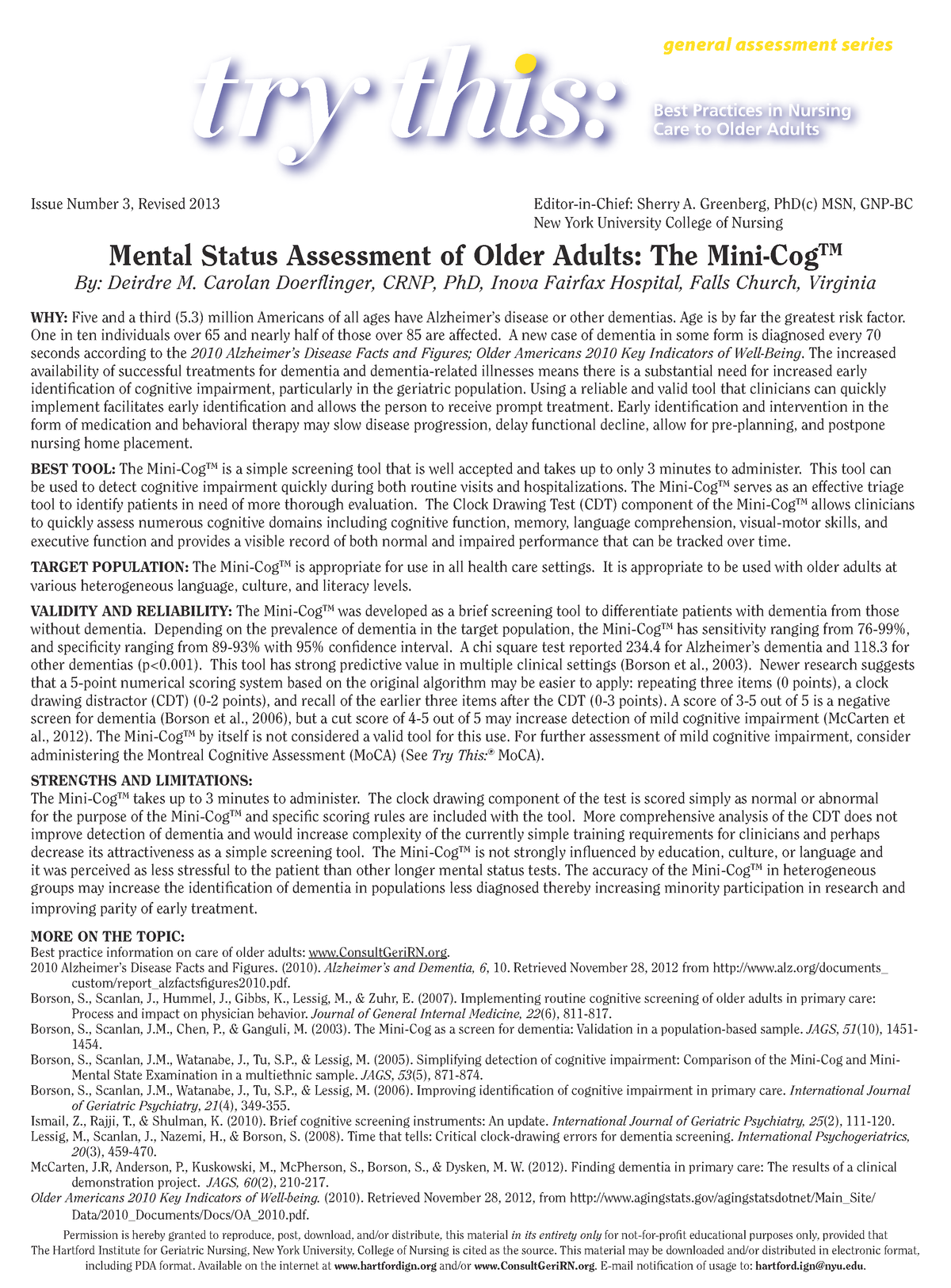
Mini Cog catalog chart how to paperwork From The Hartford Institute

COGS analysis (Cephelometrics for orthognathic surgery) / fixed

COGS analysis (Cephelometrics for orthognathic surgery) / fixed

COGS analysis (Cephelometrics for orthognathic surgery) / fixed

COGS analysis (Cephelometrics for orthognathic surgery) / fixed

COGS analysis (Cephelometrics for orthognathic surgery) / fixed
.jpg)
Undergraduate Studies in Cognitive Science ppt download
Introduction To Imaging Techniques Including Fmri, Pet, And Erp.
If You Are Interested In Taking A Jacobs Institute Course As An Elective, Please See Your Major Advisor.
Want To Take One Of Dr.
This Listing Provides A Snapshot Of Immediately Available Courses And May Not Be Complete.
Related Post: