
Course Coffee Grounds
Course Coffee Grounds - Stick to our handy coffee grind chart above and you can’t go wrong. Check out our top picks of coffee brands and a buying guide so you can make a perfect brew at home. In this section, we’ll explore three popular brewing techniques you can try using coarse ground coffee: The brewing time is short, typically 25 to 30 seconds. Our comprehensive course methodically takes you through the lifecycle of coffee from seedling to processing, to the basics of roasting, and profile roasting. Coarse ground coffee is a type of coffee that is ground to a specific size, which is larger than other types of coffee grinds. In this case, the coffee grounds are allowed to brew for longer. This type of grind is commonly used for brewing methods that involve repeatedly pouring hot water over the coffee grounds, such as french press, cold brew, or percolator coffee. Coarse ground coffee is best suited for methods that require an extended contact time between coffee grounds and water. This means you get richer, more pronounced flavors without unwanted bitterness. Looking for the top picks in coarse ground coffee? Related the 8 best vietnamese coffee brands of 2022. Are you looking for the best coarse ground coffee on the market that suits all types of brewing methods? As mentioned above, coarse ground coffee is used for brewing methods with a long extraction time. In this article, we will delve deep into what coarse ground coffee is, how it is produced, its applications, and the impact it has on the flavor profile of your favorite brews. The best way to make coarse ground coffee is with a french press or do a cold brew. Our desire is to bring to the neighborhood a cuisine that will intrigue connoisseurs with elevated coffee, and delectable sandwiches. Used coffee grounds are far from waste—they're a resource waiting to be tapped. Our comprehensive course methodically takes you through the lifecycle of coffee from seedling to processing, to the basics of roasting, and profile roasting. In this section, we’ll explore three popular brewing techniques you can try using coarse ground coffee: Coarse ground coffee offers a smoother, less bitter flavor profile. “coarse ground coffee” refers to a particular size of coffee grind, often characterized by larger particles and a more (coarser) appearance. Here are the most popular methods of brewing with coarse grounds: In this article, we will delve deep into what coarse ground coffee is, how it is produced, its. Coarse ground coffee is best suited for methods that require an extended contact time between coffee grounds and water. Our concept is to focus on quality blends with an inviting aroma and unmatched taste to leave every person with a smile. It is typically used for brewing methods that require longer brewing times, such as french press, percolators, and cold. Here’s our coffee to water ratio calculator. Dive in and find your new favorite! Finer ground coffee doesn’t automatically equal a stronger taste, but it could make it more bitter which is a strong and prominent flavor. We’ve established that the grind size affects flavor due to the coffee’s extraction time and surface area. Stick to our handy coffee grind. Expect bold notes and pronounced subtleties from your coffee. Related the 8 best vietnamese coffee brands of 2022. We chose cafe du monde coffee for our top pick because it has a nice unique flavor that you literally wont’ get anywhere else, which is chicory. “coarse ground coffee” refers to a particular size of coffee grind, often characterized by larger. Dive in and find your new favorite! In this case, the coffee grounds are allowed to brew for longer. Finer ground coffee doesn’t automatically equal a stronger taste, but it could make it more bitter which is a strong and prominent flavor. “coarse ground coffee” refers to a particular size of coffee grind, often characterized by larger particles and a. This means you get richer, more pronounced flavors without unwanted bitterness. Both involve steeping coffee grounds in water, which is ideal when using coarse grounds. As mentioned above, coarse ground coffee is used for brewing methods with a long extraction time. We’re going to discuss coarse ground coffee, necessary for two of the most popular brewing methods out there (cold. In this section, we’ll explore three popular brewing techniques you can try using coarse ground coffee: Coarse ground coffee refers to coffee beans that have been mechanically ground to a relatively large particle size. Coarse ground coffee gives you less extraction and has less intense flavor by comparison. We’re going to discuss coarse ground coffee, necessary for two of the. Dive in and find your new favorite! Therefore, we know why coarse grounds work best in brewing methods that require a longer time to brew for maximum extraction. Today we’ll talk about coarse ground coffee and review some of the best brands that sell it on the market. Our comprehensive course methodically takes you through the lifecycle of coffee from. Our concept is to focus on quality blends with an inviting aroma and unmatched taste to leave every person with a smile. This means you get richer, more pronounced flavors without unwanted bitterness. The exception is when the immersion brewing method is used. An appropriate brew ratio is also recommended. Our comprehensive course methodically takes you through the lifecycle of. We chose cafe du monde coffee for our top pick because it has a nice unique flavor that you literally wont’ get anywhere else, which is chicory. Our desire is to bring to the neighborhood a cuisine that will intrigue connoisseurs with elevated coffee, and delectable sandwiches. An appropriate brew ratio is also recommended. Related the 8 best vietnamese coffee. There's much to see here. Coarse grounds look like kosher sea salt and are the perfect grind size for use in a french press or percolator. Coarse ground coffee refers to coffee beans that have been mechanically ground to a relatively large particle size. In this section, we’ll explore three popular brewing techniques you can try using coarse ground coffee: Both involve steeping coffee grounds in water, which is ideal when using coarse grounds. French press, drip, and cold brew. Some baristas prefer certain types of grounds for a particular brewing technique. What brewing methods require coarse ground coffee? Stick to our handy coffee grind chart above and you can’t go wrong. Coarse ground coffee is a type of coffee that is ground to a specific size, which is larger than other types of coffee grinds. The brewing time is short, typically 25 to 30 seconds. Searching for the best coarse ground coffee? Coarse ground coffee offers a smoother, less bitter flavor profile. Here’s our coffee to water ratio calculator. Used coffee grounds are far from waste—they're a resource waiting to be tapped. The exception is when the immersion brewing method is used.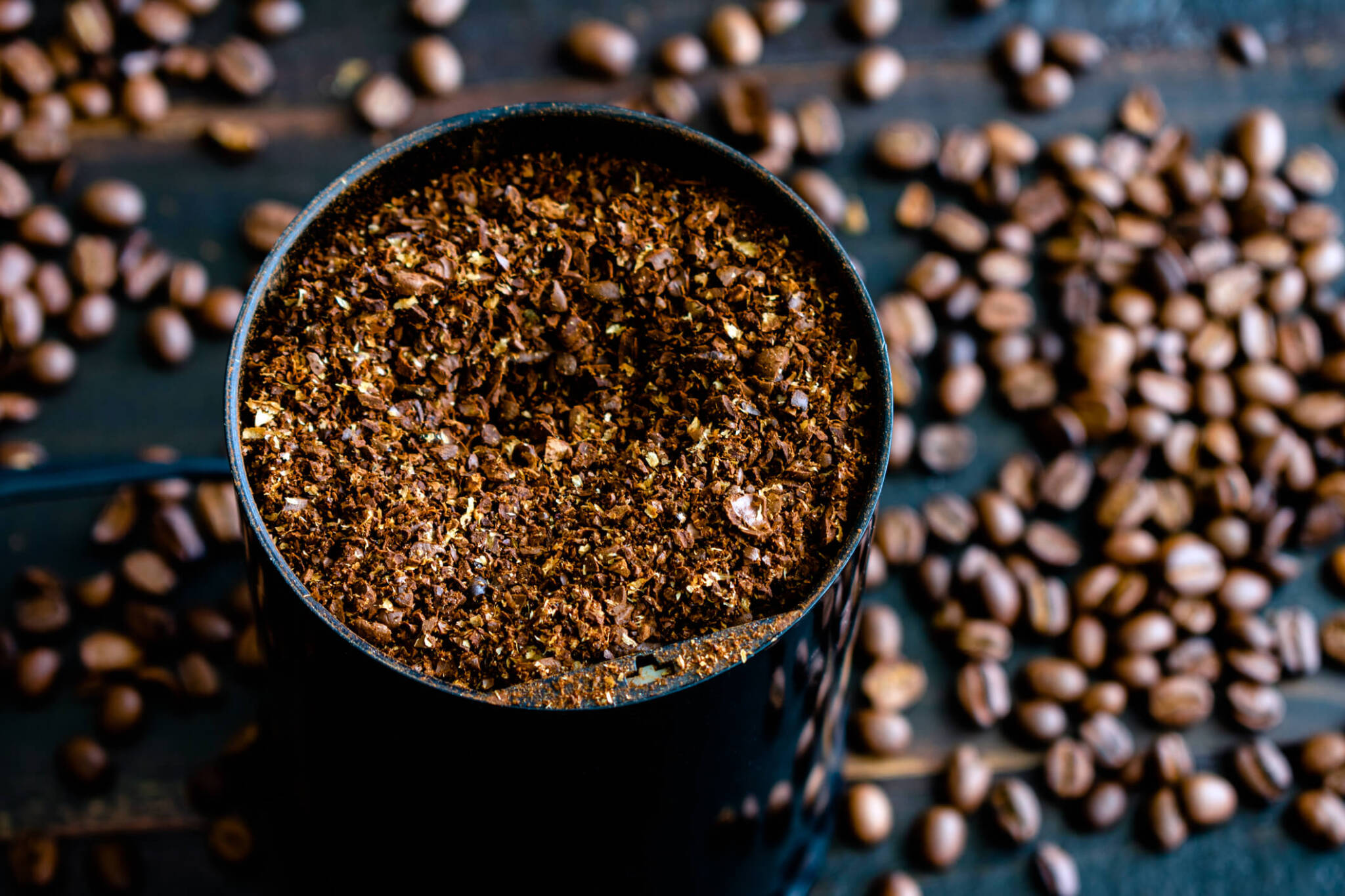
Coarse Ground Coffee The Ultimate Guide To Brewing Coffee Brat
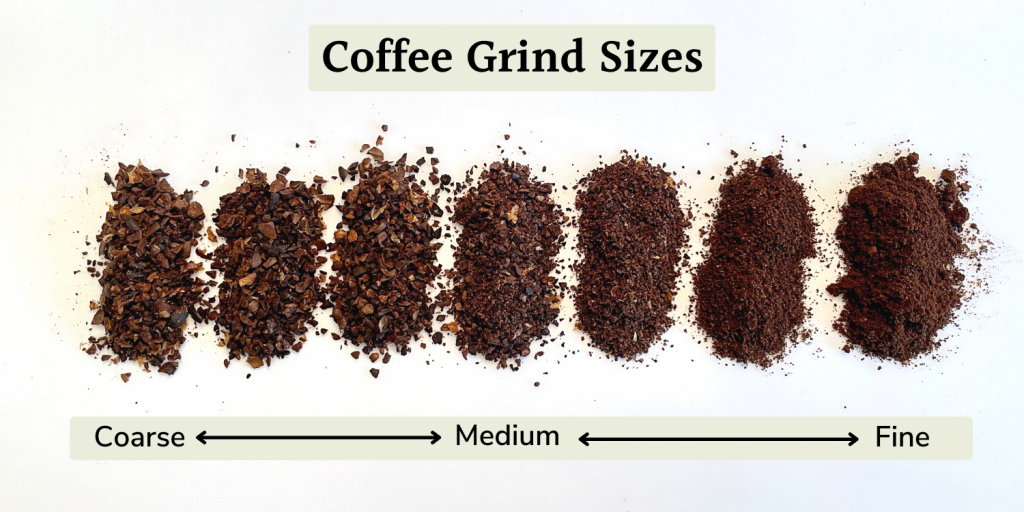
The Complete Coffee Grind Size Guide For Every Coffee Drink

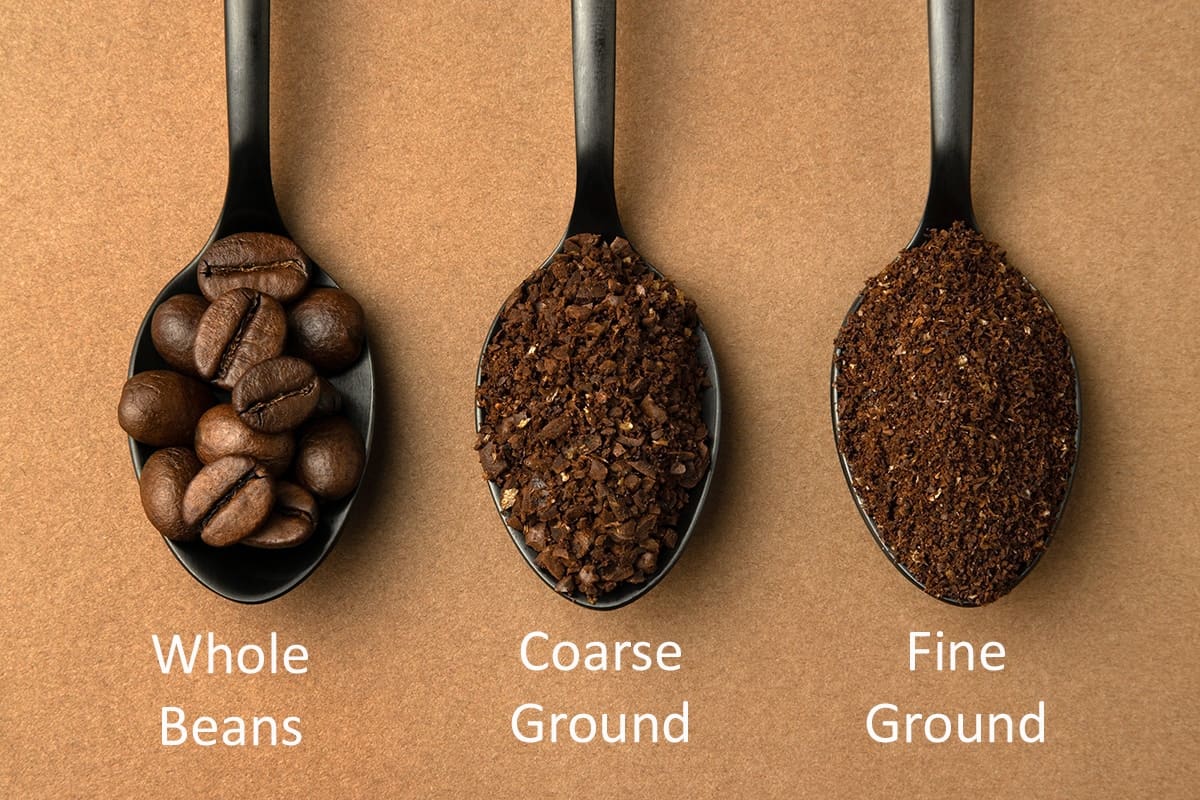
Roasted Coffee Vs Ground Coffee at Donald Fant blog
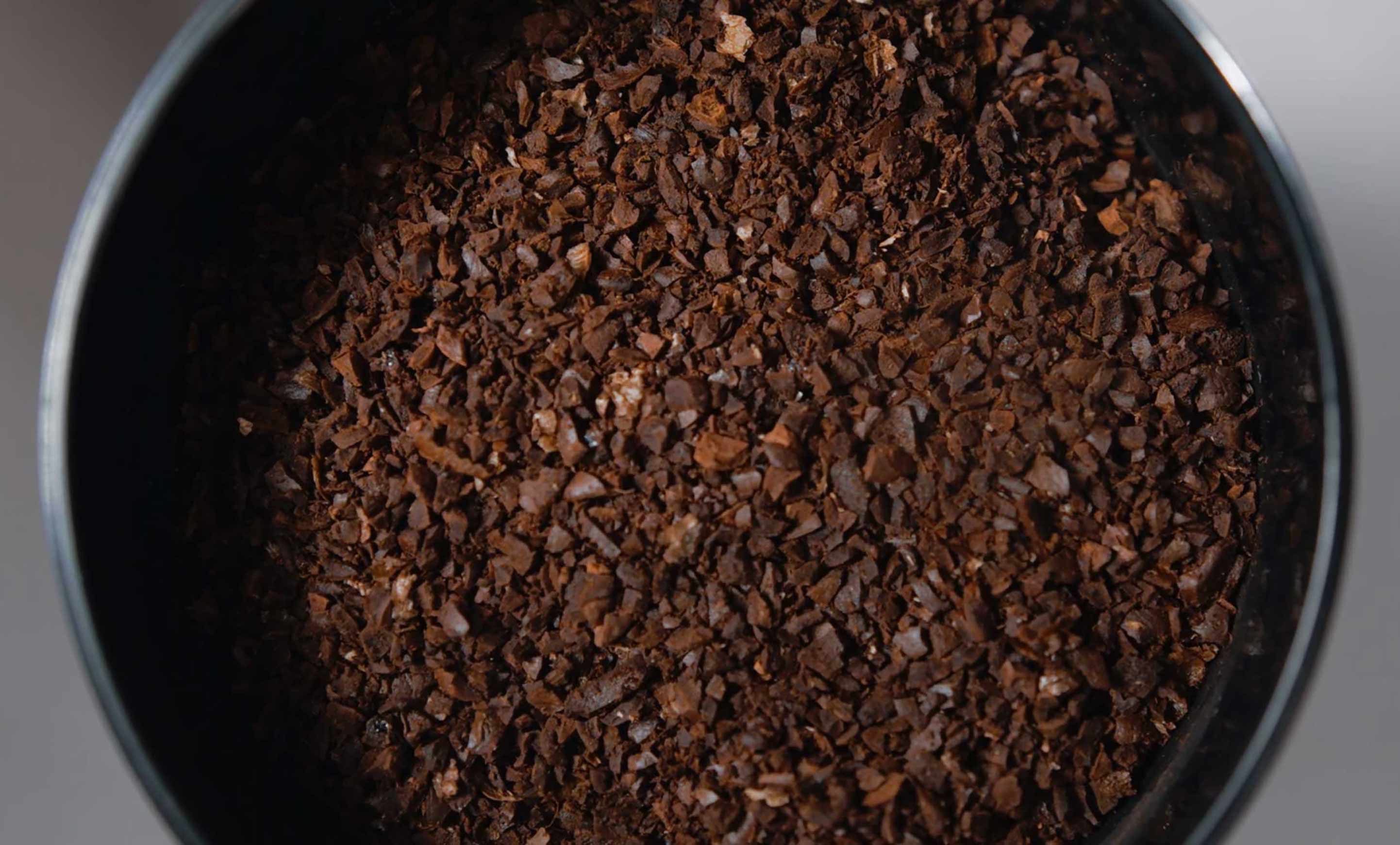
Ways to Grind Coffee Beans Starbucks® Coffee at Home
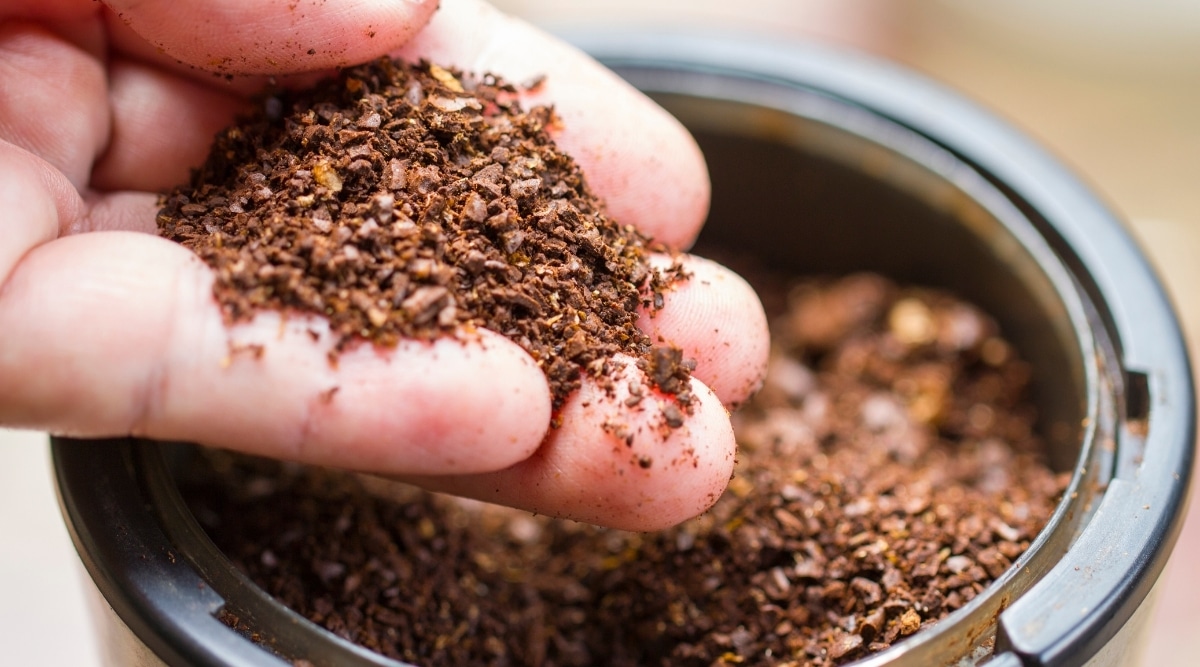
Coarse Ground Coffee Everything You Need to Know
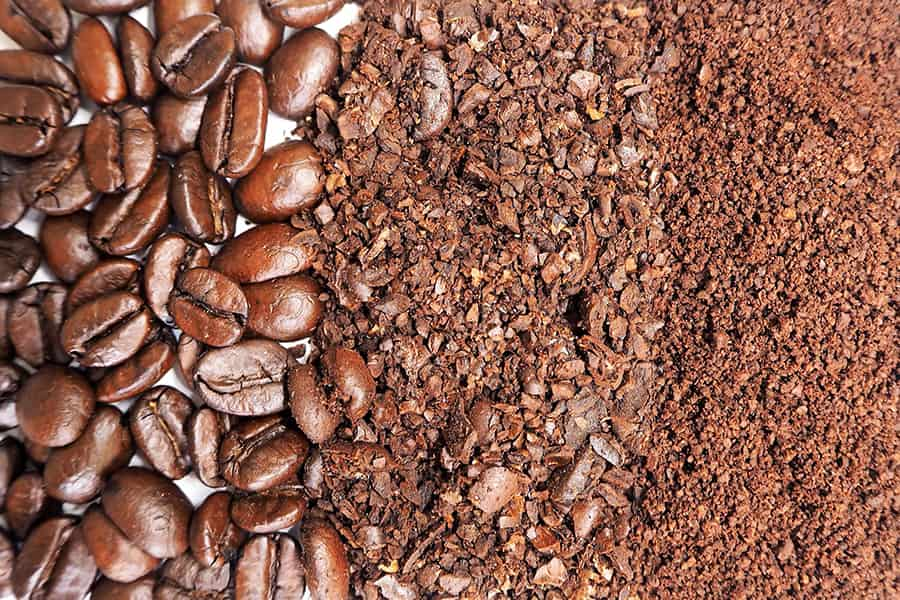
Coarse to Fine The Right Grind Mochas & Javas, Coffee San Marcos TX

Coarse Ground Coffee Your Guide to Why Size Matters
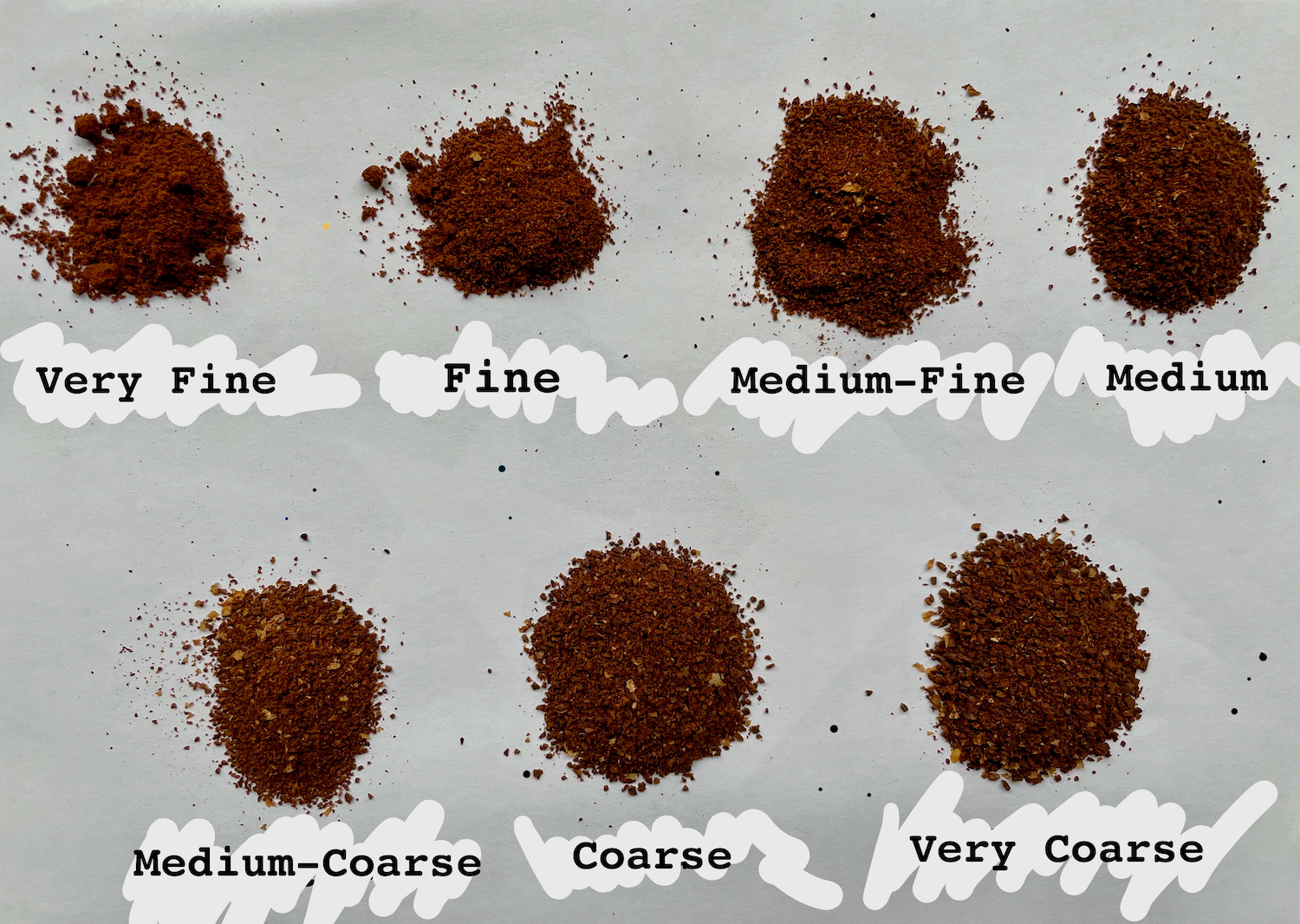
Guide to Coffee Grind Sizes Tasting Grounds

Coarse Ground Coffee Everything You Need to Know
The Courses Are Designed And Created By The Specialty Coffee Association (Sca) As Part Of The Coffee Skills Program.
It Is Typically Used For Brewing Methods That Require Longer Brewing Times, Such As French Press, Percolators, And Cold Brew.
Coarse Ground Coffee Should Look Chunky And Resemble Sea Salt.
As Mentioned Above, Coarse Ground Coffee Is Used For Brewing Methods With A Long Extraction Time.
Related Post: