
Course Of Empires
Course Of Empires - Each scene is set along the banks of a river and a distinctly recognizable crag juts out in the distance to anchor us viewers in the landscape through time. The arcadian or pastoral state. It is notable in part for reflecting popular american sentiments of the times, when many saw pastoralism as the ideal phase of human civilization, fearing that empire would lead to gluttony and inevitable decay. These paintings are allegories on the progress of humankind based on the count de volney’s ruines; Definitive edition celebrates the 25th anniversary of one of the most popular strategy games ever, now with stunning 4k ultra hd graphics, a fully remastered soundtrack, and includes three expansions with the base game: Withthe course of empire, thomas cole achieved what he described as a “higher style of landscape,” one suffused with historical associations, moralistic narrative, and what the artist felt were universal truths about mankind and his abiding relationship with the natural world. Regular and elite hei guang cavalry replace knights, cavaliers, and paladins for the shu, wei, and wu. Starting in 1833 thomas cole spent 3 years creating the course of empire, a series of five paintings describing the arc of human culture from ‘savage wilderness’ through high civilization and its inevitable destruction. The resulting series charts the course of an imaginative empire as it appears in the midst of wilderness, expands into a glistening metropolis, and collapses into ruin. (130.2 × 193 cm) credit line: These paintings are allegories on the progress of humankind based on the count de volney’s ruines; (99.7 × 160.7 cm) credit line: Each painting in the series depicts the same landscape at a different stage of the rise and fall of an imaginary civilization. Definitive edition celebrates the 25th anniversary of one of the most popular strategy games ever, now with stunning 4k ultra hd graphics, a fully remastered soundtrack, and includes three expansions with the base game: The resulting series charts the course of an imaginative empire as it appears in the midst of wilderness, expands into a glistening metropolis, and collapses into ruin. The arcadian or pastoral state. Withthe course of empire, thomas cole achieved what he described as a “higher style of landscape,” one suffused with historical associations, moralistic narrative, and what the artist felt were universal truths about mankind and his abiding relationship with the natural world. A second series, called the voyage of life (begun 1839), depicts a symbolic journey from infancy… 51 1/4 × 76 in. It is notable in part for reflecting popular american sentiments of the times, when many saw pastoralism as the ideal phase of human civilization, fearing that empire would lead to gluttony and inevitable decay. A second series, called the voyage of life (begun 1839), depicts a symbolic journey from infancy… Ou, méditations sur les révolutions des empires (1791). Hei guang cavalry — heavily armored horsemen. Regular and elite hei guang cavalry replace knights, cavaliers, and paladins for the shu, wei, and wu. 39 1/4 × 63 1/4 in. Cole created a magnificent cycle of five paintings called the course of empire, which tells the story of an empire through its rise and fall. Thomas cole’s “the course of empire” scroll below to explore the larger contexts behind cole’s artistry and the story in the course of empire , then examine each of the five paintings in detail. Hei. His masterful the course of empire is without equal in its explorations of historical theory and themes. The consummation of empire is one of a sequence of five paintings entitled the course of empire commissioned by cole's patron luman reed, created between 1833 and 1836. Narrative and context [video] guide: The resulting series charts the course of an imaginative empire. These paintings are allegories on the progress of humankind based on the count de volney’s ruines; Ou, méditations sur les révolutions des empires (1791). (99.7 × 160.7 cm) credit line: What was the course of empire by thomas cole about? Starting in 1833 thomas cole spent 3 years creating the course of empire, a series of five paintings describing the. Ou, méditations sur les révolutions des empires (1791). What was the course of empire by thomas cole about? (84.5 × 160.7 cm) credit line: Withthe course of empire, thomas cole achieved what he described as a “higher style of landscape,” one suffused with historical associations, moralistic narrative, and what the artist felt were universal truths about mankind and his abiding. (99.7 × 160.7 cm) credit line: 51 1/4 × 76 in. Narrative and context [video] guide: It is notable in part for reflecting popular american sentiments of the times, when many saw pastoralism as the ideal phase of human civilization, fearing that empire would lead to gluttony and inevitable decay. Each scene is set along the banks of a river. (99.7 × 160.7 cm) credit line: The resulting series charts the course of an imaginative empire as it appears in the midst of wilderness, expands into a glistening metropolis, and collapses into ruin. Each scene is set along the banks of a river and a distinctly recognizable crag juts out in the distance to anchor us viewers in the landscape. What was the course of empire by thomas cole about? 51 1/4 × 76 in. Withthe course of empire, thomas cole achieved what he described as a “higher style of landscape,” one suffused with historical associations, moralistic narrative, and what the artist felt were universal truths about mankind and his abiding relationship with the natural world. Cole created a magnificent. (130.2 × 193 cm) credit line: His masterful the course of empire is without equal in its explorations of historical theory and themes. A second series, called the voyage of life (begun 1839), depicts a symbolic journey from infancy… Visit this section to get an overview of the historical and intellectual currents running through this suite of paintings, then examine. The resulting series charts the course of an imaginative empire as it appears in the midst of wilderness, expands into a glistening metropolis, and collapses into ruin. Cole created a magnificent cycle of five paintings called the course of empire, which tells the story of an empire through its rise and fall. It is notable in part for reflecting popular. His masterful the course of empire is without equal in its explorations of historical theory and themes. Thomas cole’s “the course of empire” scroll below to explore the larger contexts behind cole’s artistry and the story in the course of empire , then examine each of the five paintings in detail. Each scene is set along the banks of a river and a distinctly recognizable crag juts out in the distance to anchor us viewers in the landscape through time. It is notable in part for reflecting popular american sentiments of the times, when many saw pastoralism as the ideal phase of human civilization, fearing that empire would lead to gluttony and inevitable decay. What was the course of empire by thomas cole about? Visit this section to get an overview of the historical and intellectual currents running through this suite of paintings, then examine each of the five paintings in detail. As the war unravels across europe and the middle east, each character grapples with deep personal. The resulting series charts the course of an imaginative empire as it appears in the midst of wilderness, expands into a glistening metropolis, and collapses into ruin. Each painting in the series depicts the same landscape at a different stage of the rise and fall of an imaginary civilization. Cole created a magnificent cycle of five paintings called the course of empire, which tells the story of an empire through its rise and fall. 51 1/4 × 76 in. A second series, called the voyage of life (begun 1839), depicts a symbolic journey from infancy… Definitive edition celebrates the 25th anniversary of one of the most popular strategy games ever, now with stunning 4k ultra hd graphics, a fully remastered soundtrack, and includes three expansions with the base game: 33 1/4 × 63 1/4 in. Starting in 1833 thomas cole spent 3 years creating the course of empire, a series of five paintings describing the arc of human culture from ‘savage wilderness’ through high civilization and its inevitable destruction. Ou, méditations sur les révolutions des empires (1791).
Best 13 The course of empires thomas cole Artofit
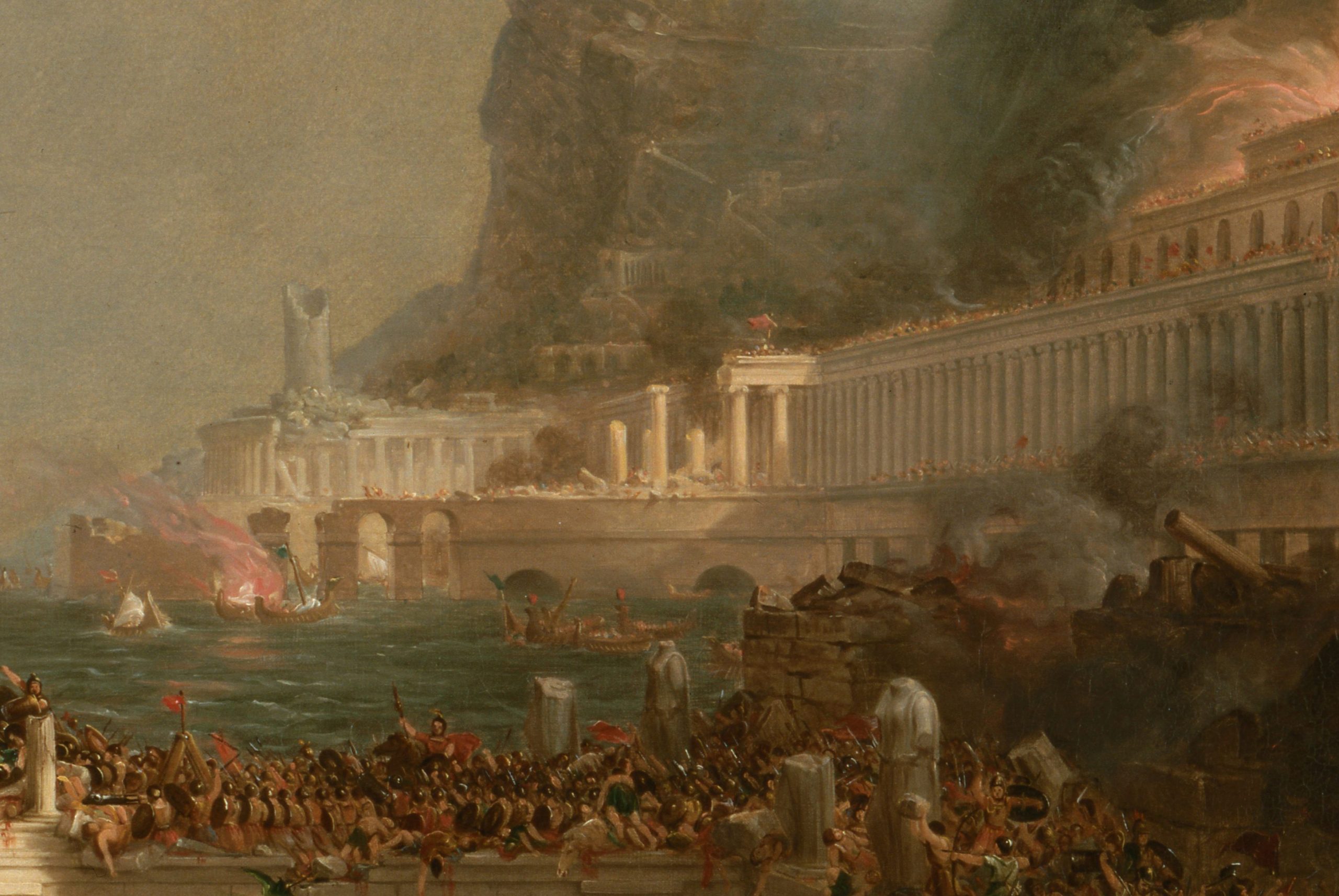
Narrative Painting Thomas Cole, The Course of Empire Destruction, 1836
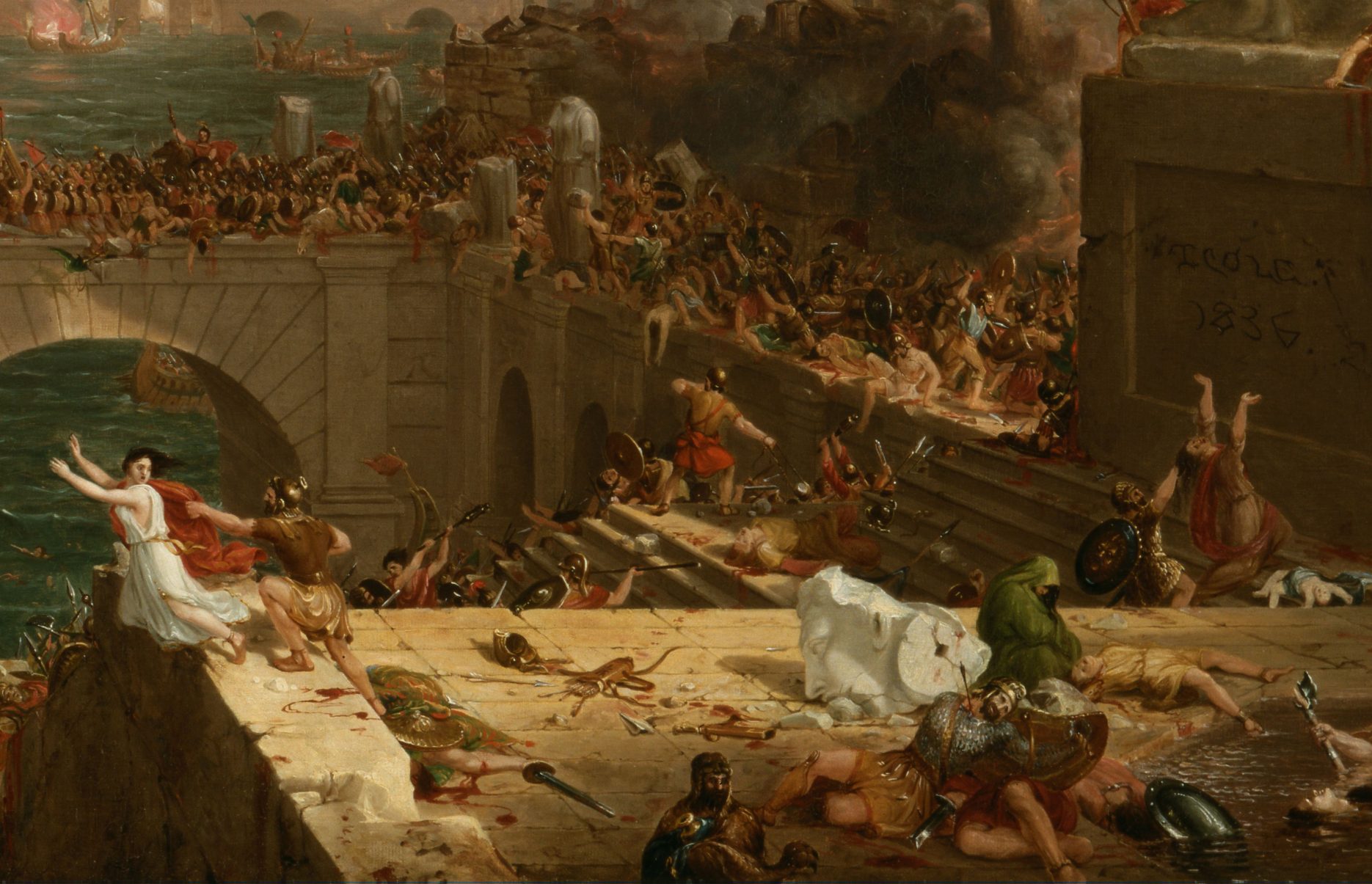
Narrative Painting Thomas Cole, The Course of Empire Destruction, 1836

Thomas Cole The Course Of Empire Consummation
![Thomas Cole The Course of Empire Desolation (1836) [7784 × 5277] r](https://i.redd.it/9b1xh75n87f01.jpg)
Thomas Cole The Course of Empire Desolation (1836) [7784 × 5277] r
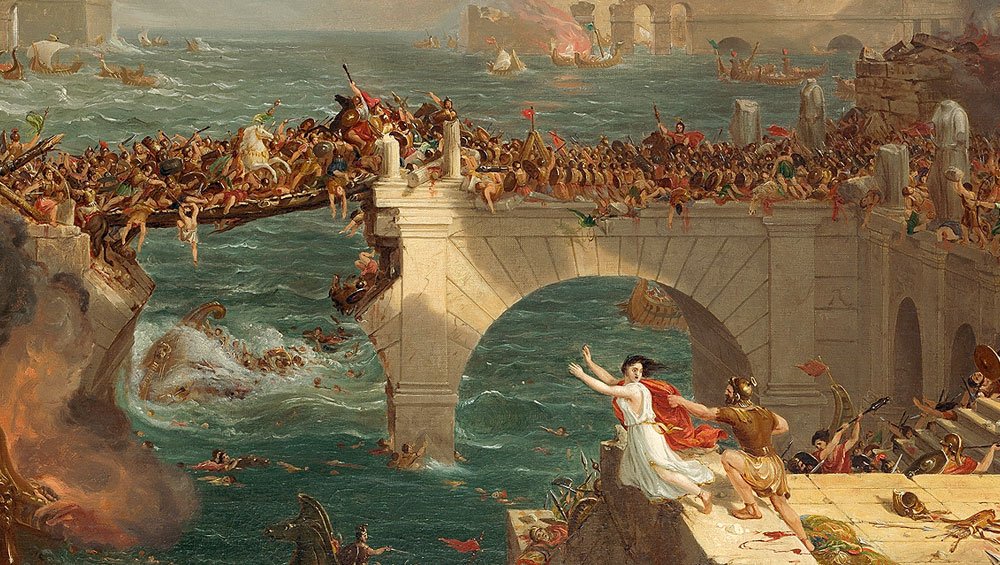
Thomas Cole Eden to Empire
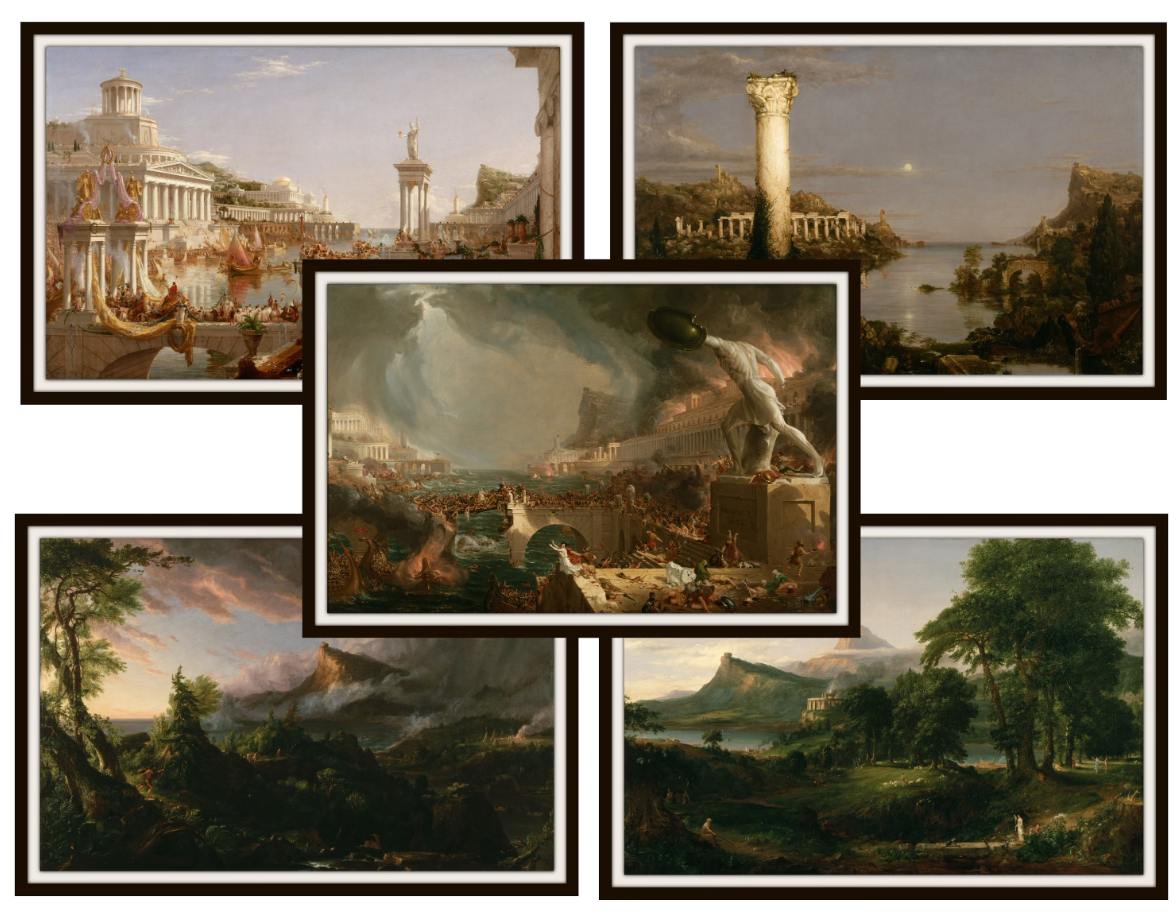
The Course of Empire — Thomas Cole by Alejandro Orradre Medium

The Course of Empire The Consummation of the Empire, 1836 by Thomas
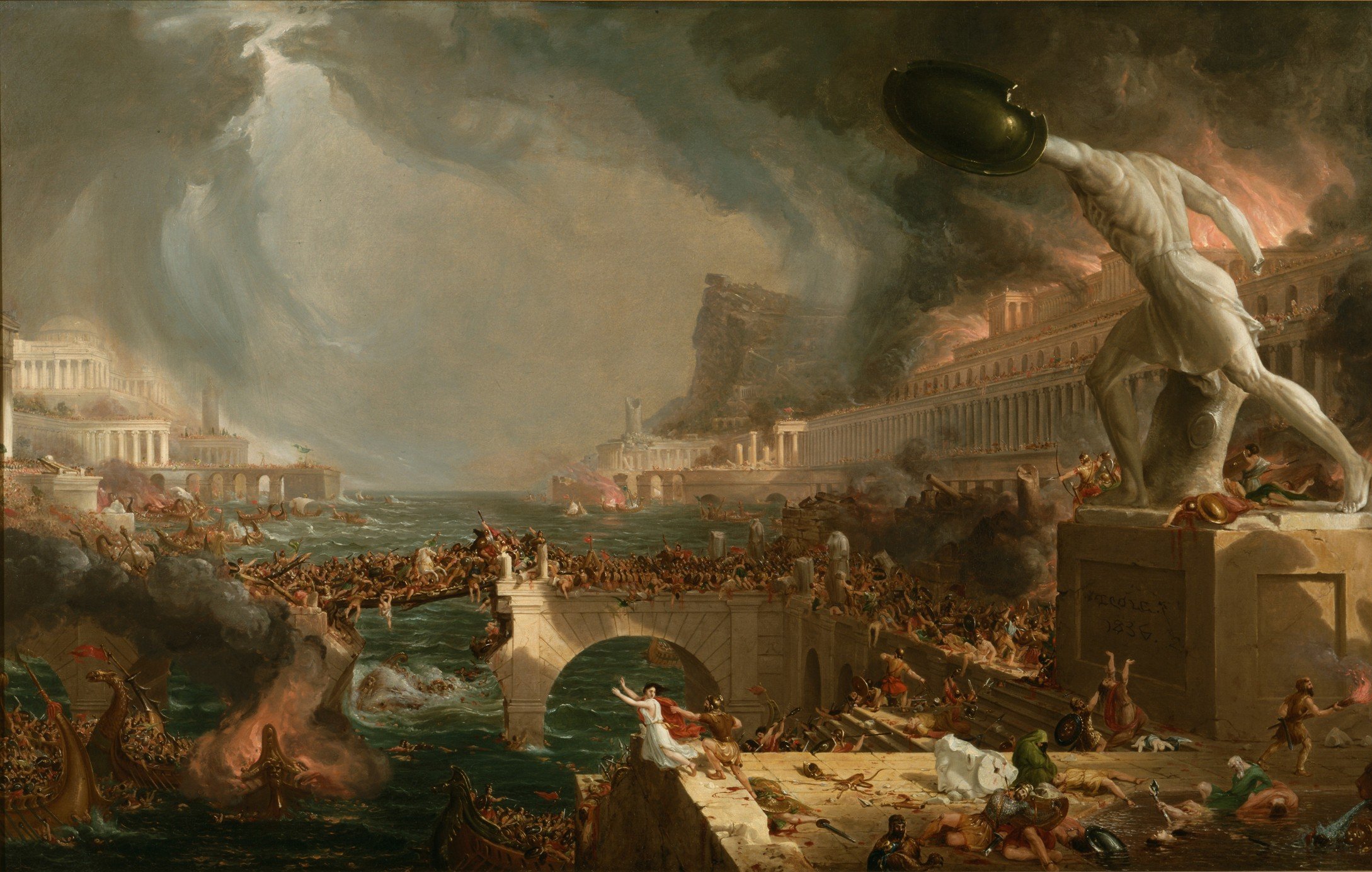
Thomas Cole, The Course of Empire Destruction, Painting, Classic art

The Course of the Empire The Consummation by Thomas Cole 1836 r
Regular And Elite Hei Guang Cavalry Replace Knights, Cavaliers, And Paladins For The Shu, Wei, And Wu.
39 1/4 × 63 1/4 In.
The Series Depicts The Growth And Fall Of An Imaginary City, Situated On The Lower End Of A River Valley, Near Its Meeting With A Bay Of The Sea.
Withthe Course Of Empire, Thomas Cole Achieved What He Described As A “Higher Style Of Landscape,” One Suffused With Historical Associations, Moralistic Narrative, And What The Artist Felt Were Universal Truths About Mankind And His Abiding Relationship With The Natural World.
Related Post: