
Microbiology Course Description
Microbiology Course Description - Review this list to find courses that match your interests and goals. Topics include the various groups of microorganisms, their structure, physiology, genetics, microbial pathogenicity, infectious diseases, immunology, and. The history of microbiology, microbial morphology and physiology, bacterial metabolism, genetics, ecology, and the classification of microorganisms, particularly bacteria, fungi, and viruses. Use critical thinking skills to understand, evaluate and analyze processes related to microbes: Humans and other animals exist in constant contact with microbes. A guide of lab skills for beginners is designed to equip you with foundational knowledge and essential lab skills needed to excel in microbiology. Primarily intended for students pursuing degrees in a health sciences field or majoring in biological sciences. The laboratory introduces students to sterile techniques in microbiology emphasizing isolating and. This course provides a comprehensive introduction to microbiological practices, making it ideal for students, aspiring lab technicians, or anyone interested in. Compatible with the microbiology major. Coursework emphasized in your microbiology degree program of study can form the foundation of a related minor. Course description the fundamentals of microbiology: A guide of lab skills for beginners is designed to equip you with foundational knowledge and essential lab skills needed to excel in microbiology. Information regarding classification of microorganisms, characteristics of different cell types and. Introduces the core concepts and basic principles in microbiology, examining microorganisms and how they interact with humans and the environment. Examination of biochemical characteristics and molecular biology techniques using common bacteria. Apply their knowledge of microbial structure, growth, and metabolism to the identification of an unknown microorganism. Compatible with the microbiology major. Topics include the various groups of microorganisms, their structure, physiology, genetics, microbial pathogenicity, infectious diseases, immunology, and. Schedule description lecture and extensive laboratory study of bacteria and other microbes. The pathogenic potential of bacteria will also be explored. Describe and differentiate among the broad classes of microorganisms, including bacteria, protozoa, fungi, helminthes, and viruses. Know complete details of admission, degree, career opportunities, placement & salary package. Below are the courses available through the university of michigan medical school department of microbiology and immunology. Topics covered in this course include: Course number course name semester taught fulfills ; Introductory microbiology (mcb 100) is designed to introduce students to the fascinating field of microbiology, where students will explore the invisible world of microbes, including bacteria, fungi, and parasites, and viruses. This course examines bacteria, fungi, protozoa, viruses, viroids, and prions, focusing on those that are pathogenic to humans. Humans and other. This course introduces the basic principles of microbiology examining the microbes that inhabit our planet and their effect on the biosphere. Living in the microbial world: Basic principles of microbiology and immunology; Introduction to microbiology explores this impact through the lens of all areas of microbiology. Course description the fundamentals of microbiology: The course will give detailed insights into five major themes: The history of microbiology, microbial morphology and physiology, bacterial metabolism, genetics, ecology, and the classification of microorganisms, particularly bacteria, fungi, and viruses. Schedule description lecture and extensive laboratory study of bacteria and other microbes. Living in the microbial world: Introduction to microbiology explores this impact through the lens of all. Examination of biochemical characteristics and molecular biology techniques using common bacteria. Compatible with the microbiology major. This course covers principles of microbiology and the impact these organisms have on man and the environment. Below are the courses available through the university of michigan medical school department of microbiology and immunology. Use critical thinking skills to understand, evaluate and analyze processes. Know complete details of admission, degree, career opportunities, placement & salary package. Professors nicole koropatkin and marcy balunas. Course description the fundamentals of microbiology: A guide of lab skills for beginners is designed to equip you with foundational knowledge and essential lab skills needed to excel in microbiology. Basic principles of microbiology and immunology; Apply their knowledge of microbial structure, growth, and metabolism to the identification of an unknown microorganism. Coursework emphasized in your microbiology degree program of study can form the foundation of a related minor. Introductory microbiology (mcb 100) is designed to introduce students to the fascinating field of microbiology, where students will explore the invisible world of microbes, including bacteria, fungi,. Below are the courses available through the university of michigan medical school department of microbiology and immunology. This course offers a comprehensive study of the field of microbiology to science majors. This course introduces the basic principles of microbiology examining the microbes that inhabit our planet and their effect on the biosphere. The laboratory introduces students to sterile techniques in. Describe and differentiate among the broad classes of microorganisms, including bacteria, protozoa, fungi, helminthes, and viruses. Examination of biochemical characteristics and molecular biology techniques using common bacteria. Learn the proper use of a phase contrast microscope to observe microorganisms and report observed characteristics. Information regarding classification of microorganisms, characteristics of different cell types and. Below are the courses available through. Introduction to microbiology explores this impact through the lens of all areas of microbiology. Describe in appropriate terminology the structure, function and characteristics of prokaryotes, eukaryotes and viruses. Basic principles of microbiology and immunology; This course provides a comprehensive introduction to microbiological practices, making it ideal for students, aspiring lab technicians, or anyone interested in. Living in the microbial world: Explain and apply fundamental concepts related to the taxonomy, structure, function and ecology of microbes including bacteria, viruses, fungi and protista. A guide of lab skills for beginners is designed to equip you with foundational knowledge and essential lab skills needed to excel in microbiology. Course description the fundamentals of microbiology: Humans and other animals exist in constant contact with microbes. The laboratory introduces students to sterile techniques in microbiology emphasizing isolating and. Living in the microbial world: The course will give detailed insights into five major themes: Basic principles of microbiology and immunology; Examination of biochemical characteristics and molecular biology techniques using common bacteria. Introduction to biology of microorganisms (bacteria, viruses, protozoa, algae, fungi), their significance as model systems for understanding fundamental cellular processes, and their role in human affairs. This course introduces the basic principles of microbiology examining the microbes that inhabit our planet and their effect on the biosphere. Information regarding classification of microorganisms, characteristics of different cell types and. This course covers principles of microbiology and the impact these organisms have on man and the environment. Describe in appropriate terminology the structure, function and characteristics of prokaryotes, eukaryotes and viruses. Topics include the various groups of microorganisms, their structure, physiology, genetics, microbial pathogenicity, infectious diseases, immunology, and. Apply their knowledge of microbial structure, growth, and metabolism to the identification of an unknown microorganism.BIO 127 General Microbiology Course Description and Objectives PDF

General Microbiology Syllabus Miami Dade College
Intro To Microbiology Lessons Blendspace
Microbiology Course Syllabus Bacteria
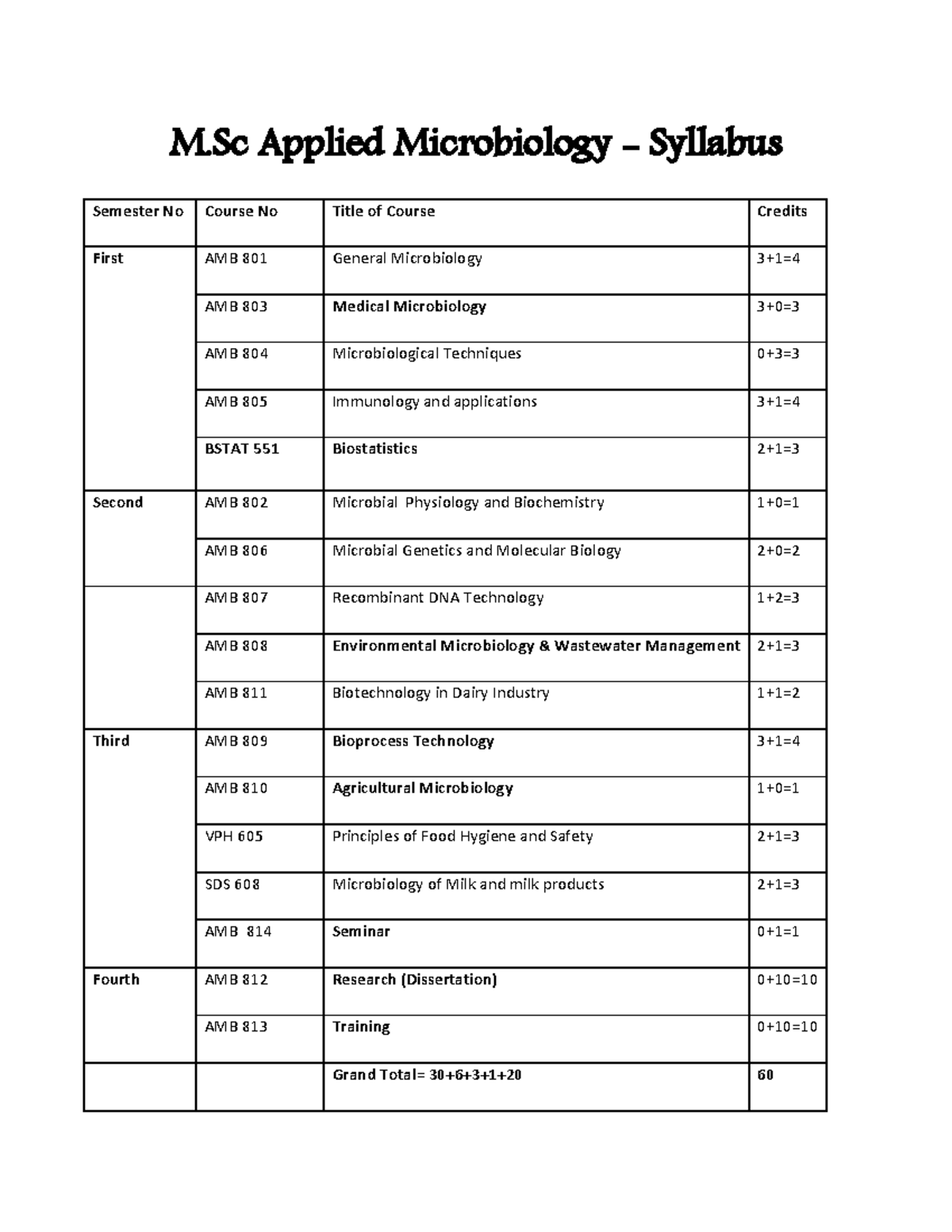
MSc Applied Microbiology Syllabus for students microbiolgy VIT
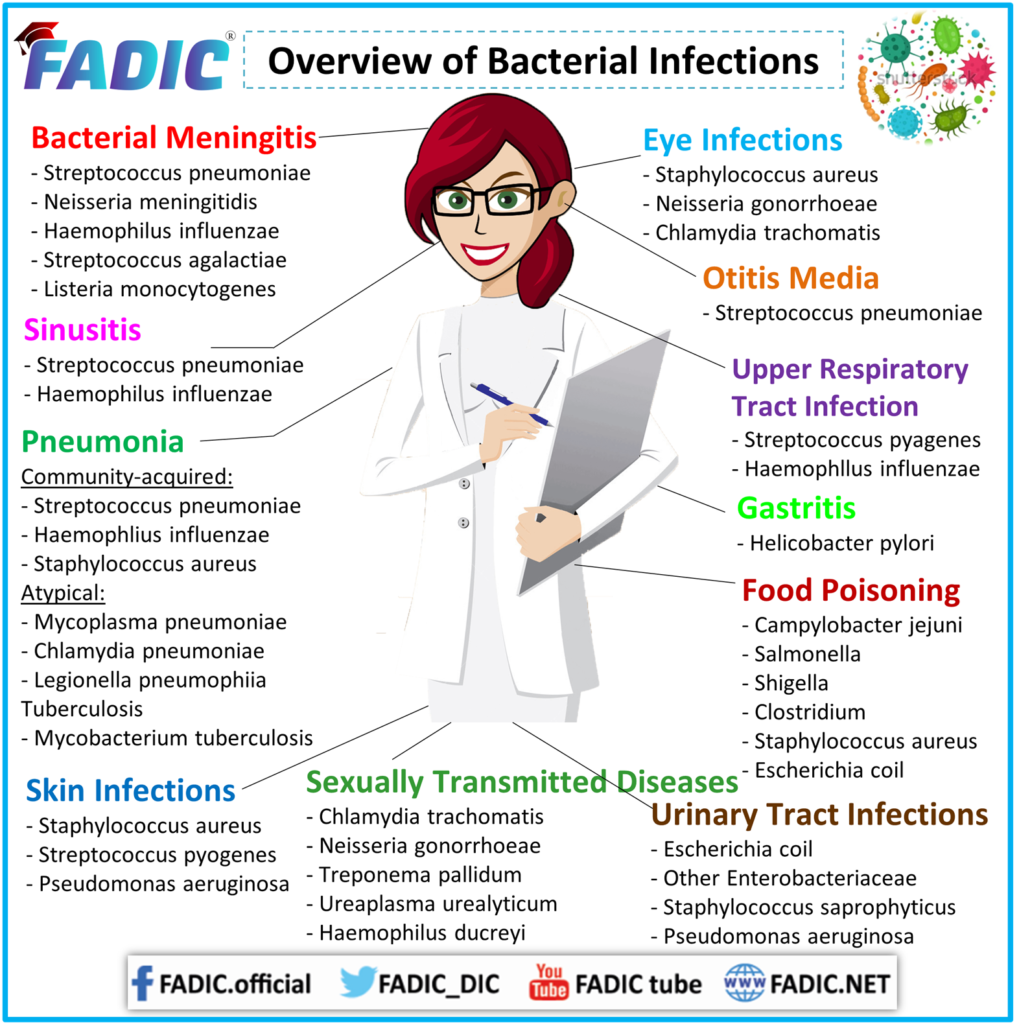
FADIC Bacteria Course, Epidemiology, and Pharmacotherapy

Microbiology Course Specifications 20112012

Outline micro 1st sem For nursing students Course Name MICROBIOLOGY

BIO 175 GENERAL MICROBIOLOGY COURSE DESCRIPTION

Course Syllabus Academic Departments
Use Critical Thinking Skills To Understand, Evaluate And Analyze Processes Related To Microbes:
Know Complete Details Of Admission, Degree, Career Opportunities, Placement & Salary Package.
The Course Also Provides An Introduction To Immunology, Epidemiology, And Clinical Microbiology.
Compatible With The Microbiology Major.
Related Post:

