
Starter Course Shingles Upside Down
Starter Course Shingles Upside Down - After that, the rest of the shingles must be put on upside down in order to work correctly. Place the shingle upside down on a sheet of plywood and use a straightedge to. If the starter shingles are not secured correctly at the eave or rake, and the first course of shingles is not nailed down evenly across the top of the starter shingles, the roof may be at risk for wind and/or water damage. It’s far better to measure down 7 in. Working from left to right, they continue with the starter course and full shingles until they have enough coverage to continue up the roof with full shingles. Put starter upside down (top and bottom, not front and back) hang over 3 inches for gutter and put your first course at least 6 inches from seam of starter. Seal line is on the drip edge. That would have come with instructions though. You shouldn't tar your drip edge as your shingles are not waterproof but rather water shedding. So, you nail your starter just behind the drip edge; Personally i like to use a 3 tab shingle with the tabs cut off. Cut the starter and save the other half to finish the top of the run. The installer wants to come back and install them correctly by removing the first 6 ft of shingles and installing new ice and water shield. If it's a laminate the two pieces are actually equal. Often, however, a starter course is made of cut shingles. Place the shingle upside down on a sheet of plywood and use a straightedge to. Working from left to right, they continue with the starter course and full shingles until they have enough coverage to continue up the roof with full shingles. Starting with the first full shingle that fits above the plank, we nailed the first course with two nails at the top of each shingle — not on the nail line. Reestablishing the starter course when shingling around a dormer or other obstruction on the roof deck that interrupts the starter course, run shingles to a point past the obstruction, then strike a new set of bond lines using the end of a shingle as a reference point. After that, the rest of the shingles must be put on upside down in order to work correctly. Put starter upside down (top and bottom, not front and back) hang over 3 inches for gutter and put your first course at least 6 inches from seam of starter. Working from left to right, they continue with the starter course and full shingles until they have enough coverage to continue up the roof with full shingles. This only works. When i got down to the edge i was surprised how easily the last row popped off. We used to use old, left over shingles as well, but we never bothered to rip them, just layed them on full, upside down. The tar strip on the starter should line up with the tar strip on the shingle. From the top. The tar strip on the starter should line up with the tar strip on the shingle. A starter strip can be cut and inverted shingles, or a roll product can be used called shingle starter. if you saw neither, but simply the first course going down over the underlayment, you have reason to be concerned. Later, we’ll need to lift. Is this a better solution? If the starter shingles are not secured correctly at the eave or rake, and the first course of shingles is not nailed down evenly across the top of the starter shingles, the roof may be at risk for wind and/or water damage. Put starter upside down (top and bottom, not front and back) hang over. Some starter strip rolls from the big box rip off stores have a peal off adhesive side that is supposed to stick to the roof, so it does go down. Or use both top and bottom as starters. This only works with three tab shingles because they are flat and can be flipped. So i ran into a guy saying. It’s far better to measure down 7 in. In addition, this starter course protects the roof by filling in any gaps. The first shingle is then lapped over the edge by 1/2 to 3/4 to provide a drip edge off the roof or into the gutter. Or use both top and bottom as starters. This only works with three tab. So, you nail your starter just behind the drip edge; This way, your first run of shingle is more wind resistant. Cut the starter and save the other half to finish the top of the run. The proper way to adapt three tabs as starters is to trim the tabs off the shingle along a line across the tops of. (upside down) same guy who puts drip edge lip over ice shield. Seal line is on the drip edge. The tar strip on the starter should line up with the tar strip on the shingle. So i ran into a guy saying the starter strips are supposed to be tar down. Here’s a short guide to cutting and installing these. Seal line is on the drip edge. From the top of the shingle, trim off the bottom 5 in., and snap off the shingle tabs. That would have come with instructions though. When i got down to the edge i was surprised how easily the last row popped off. Often, however, a starter course is made of cut shingles. If these first shingles are not installed correctly, there will be problems with the entire set of shingles. Working from left to right, they continue with the starter course and full shingles until they have enough coverage to continue up the roof with full shingles. From the top of the shingle, trim off the bottom 5 in., and snap off. So, you nail your starter just behind the drip edge; You shouldn't tar your drip edge as your shingles are not waterproof but rather water shedding. In addition, this starter course protects the roof by filling in any gaps. Best thing is to look at the directions and pictures on wraper. It’s far better to measure down 7 in. The first shingle is then lapped over the edge by 1/2 to 3/4 to provide a drip edge off the roof or into the gutter. Reestablishing the starter course when shingling around a dormer or other obstruction on the roof deck that interrupts the starter course, run shingles to a point past the obstruction, then strike a new set of bond lines using the end of a shingle as a reference point. After that, the rest of the shingles must be put on upside down in order to work correctly. Personally i like to use a 3 tab shingle with the tabs cut off. The installer wants to come back and install them correctly by removing the first 6 ft of shingles and installing new ice and water shield. The tar strip on the starter should line up with the tar strip on the shingle. Cut the starter and save the other half to finish the top of the run. The proper way to adapt three tabs as starters is to trim the tabs off the shingle along a line across the tops of the cutouts. Is this a better solution? This way, your first run of shingle is more wind resistant. Every great roof starts with the right foundation—meet the starter shinglein this step of your roof replacement, slopepro installs the starter shingle—the fi.
Asphalt Roof Shingling Basics JLC Online Roofing
.jpg)
Replacing Roof Shingles IBUILDIT.CA

Roofing Sales Cheat Sheet BidList

How To Shingle A Roof Valley Roof Shingles For Australian Homes
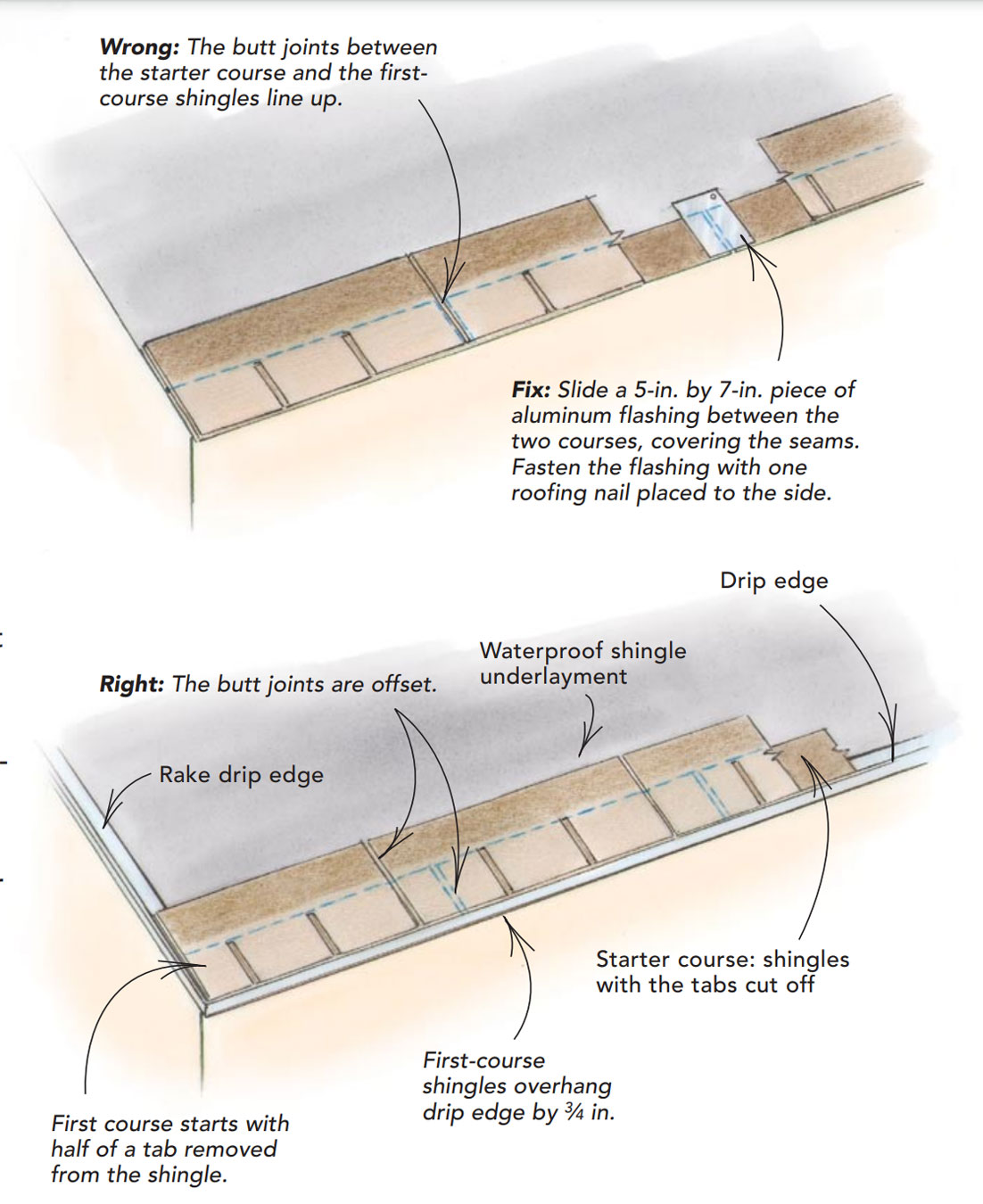
10 Roof Goofs and How to Fix Them Fine Homebuilding
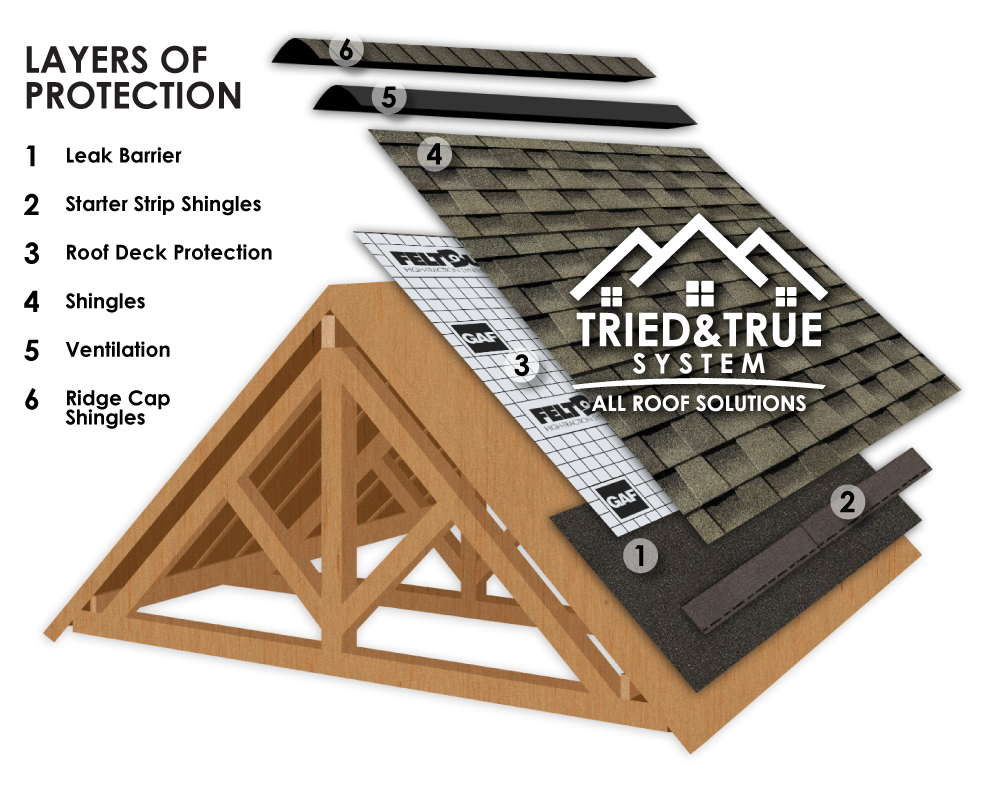
roofing starter strip application Torri Nunn
:max_bytes(150000):strip_icc()/starter-course-layers-shingles-offset-b2be1c25-9b97363ef15c454987af8916d91e7ac2.jpg)
Your StepbyStep Guide to Installing Cedar Shake Siding

How To Install Starter Strip Roof Shingles Roof Shingles For
:max_bytes(150000):strip_icc()/placing-starter-shingles-abc4aa4c-407d82e0b6094ea399dd551a6a6a8d33.jpg)
How to Install 3Tab Roof Shingles
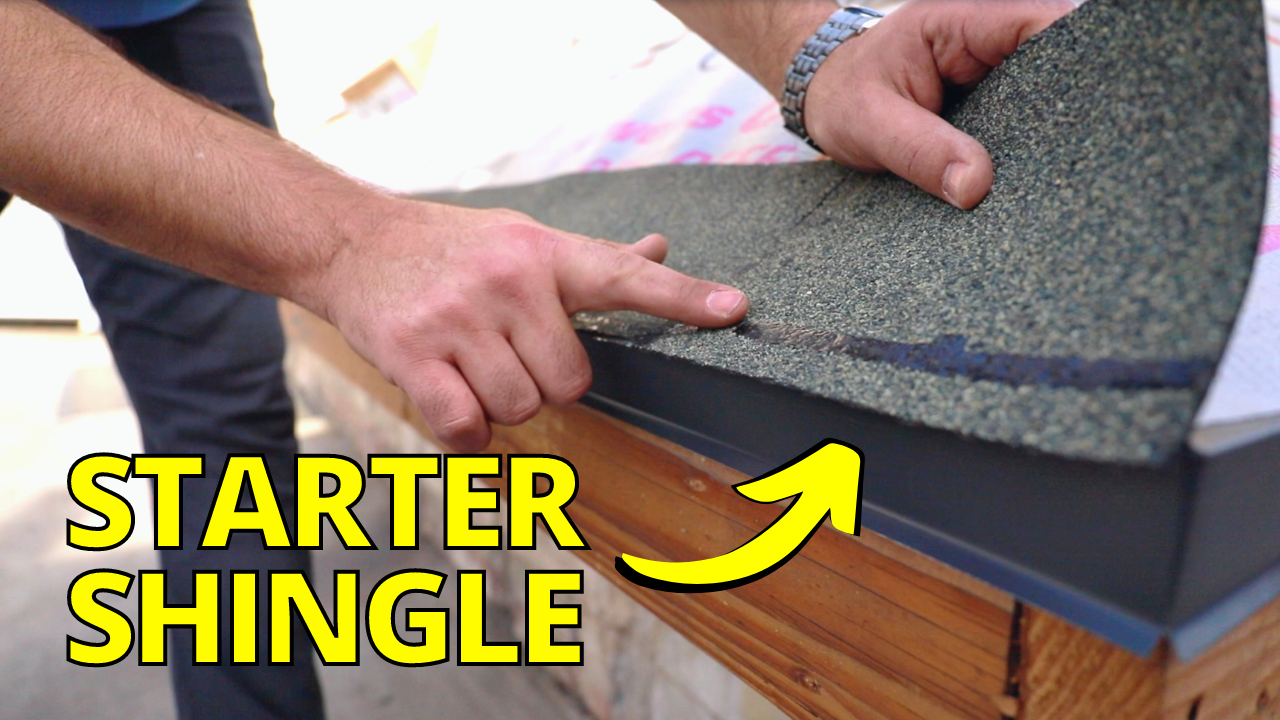
How to Install Starter Strip on a Shingle Roof Roof Repair Specialist
If These First Shingles Are Not Installed Correctly, There Will Be Problems With The Entire Set Of Shingles.
Later, We’ll Need To Lift The Shingles In This Course To Slip Shingles In From Below, So Nailing High Is A Necessity.
I Don't Think The Wrapper Says To Let The Starter Course Hang 3 Over The Gutter!
Seal Line Is On The Drip Edge.
Related Post: