
Westward The Course Of The Empire Takes Its Way
Westward The Course Of The Empire Takes Its Way - Capitol building, emmanuel leutze visualized the concept of manifest destiny, combining religious and patriotic imagery to glorify westward expansion. The first four acts already past, a fifth shall close the drama with the day; They read, to the left, “j.m. Emanuel leutze painted westward the course of empire takes its way (mural study, u.s. Westward the course of empire takes its way; Westward the course of empire takes its way; The onset of the civil war. In this study for a public mural at the u.s. Invite individuals or small groups of students to examine reproductions of across the continent: Detail of cartoon for leutze’s westward the course of empire takes its way (the smithsonian american art museum) see leutze’s mural at the u.s. How does emanuel leutze’s “westward the course of empire takes its way” portray the concept of manifest destiny? Westward the course of empire takes its way; The first four acts already past, a fifth shall close the drama with the day; 4th st and constitution ave nw Detail of cartoon for leutze’s westward the course of empire takes its way (the smithsonian american art museum) see leutze’s mural at the u.s. Images of past and present are woven together, juxtaposing the hardships of the pio neers with the triumphs of heroes and explorers. Capitol) was created during of one of the most tumultuous times in american history; Capitol visitor center on leutze’s mural Westward the course of empire takes its way; The onset of the civil war. An ornamental map of the us and mexico created by humphrey phelps in 1846. It depicts george washington and his army dramatically crossing the icy delaware river for a surprise dawn attack on the british at trenton, new jersey, on december 25, 1776. “westward the course of empire takes its way.” in tiny letters, immediately below the printed image are. Westward the course of empire takes its way; Images of past and present are woven together, juxtaposing the hardships of the pio neers with the triumphs of heroes and explorers. 6th st and constitution ave nw washington, 20565 dc. Capitol) was created during of one of the most tumultuous times in american history; Manifest destiny and the west, especially for. Westward the course of empire takes its way; Time's noblest offspring is the last.”on the strength of a. Manifest destiny and the west, especially for freed slaves and immigrants. Time’s noblest offspring is the last. Emanuel leutze's mural celebrates the western expansion of the united states. An ornamental map of the us and mexico created by humphrey phelps in 1846. The painting celebrates the belief that the american west held both unspoiled beauty and infinite promise for a better future. This painting, by german native emanuel leutze, is a compilation of ideals regarding the conquest of the american west. The border depicts vignettes of. Time's noblest. How does emanuel leutze’s “westward the course of empire takes its way” portray the concept of manifest destiny? · the subtitle, “westward the course of empire takes its way,” directly quotes the title of an 1861 mural by emanuel leutze located in the us capitol that also tells a triumphant story about westward migration. The four first acts already past,. Emanuel gottlieb leutze, westward the course of empire takes its way (mural study for the united states capitol building), 1861, oil on canvas, 84.5 x 110.1 cm (smithsonian american art museum, bequest of sara carr upton, 1931.6.1) Capitol building, emmanuel leutze visualized the concept of manifest destiny, combining religious and patriotic imagery to glorify westward expansion. Emanuel leutze painted westward. In this study for a public mural at the u.s. The onset of the civil war. Invite individuals or small groups of students to examine reproductions of across the continent: 6th st and constitution ave nw washington, 20565 dc. Emanuel leutze painted westward the course of empire takes its way (mural study, u.s. Capitol building, emmanuel leutze visualized the concept of manifest destiny, combining religious and patriotic imagery to glorify westward expansion. Westward the course of empire takes its way; Share with them that the artist was a british immigrant who never visited the west, and that the. In this episode of bridge from the past, mary explores the massive 1861 mural depicting. Emanuel leutze's mural celebrates the western expansion of the united states. The first four acts already past, a fifth shall close the drama with the day; How does emanuel leutze’s “westward the course of empire takes its way” portray the concept of manifest destiny? Time’s noblest offspring is the last. Capitol) was created during of one of the most tumultuous. Leutze wrote that his intention was to provide “glorious examples of our great men for the benefit of future Time’s noblest offspring is the last. 4th st and constitution ave nw Images of past and present are woven together, juxtaposing the hardships of the pio neers with the triumphs of heroes and explorers. Manifest destiny and the west, especially for. Emanuel leutze's mural celebrates the western expansion of the united states. In this study for a public mural at the u.s. Time’s noblest offspring is the last. Each portion of the scenery depicts common examples of both struggles and achievements of exploring the west. Leutze wrote that his intention was to provide “glorious examples of our great men for the benefit of future The painting celebrates the belief that the american west held both unspoiled beauty and infinite promise for a better future. Celebrating the belief of manifest destiny and the unspoiled beauty and infinite promise for a better future that the west held, emanuel leutze’s westward the course of empire takes its way (mural study, u.s. Capitol visitor center on leutze’s mural Study for westward the course of empire takes its way study for westward the course of empire takes its way c. How does emanuel leutze’s “westward the course of empire takes its way” portray the concept of manifest destiny? Manifest destiny and the west, especially for freed slaves and immigrants. Westward the course of empire takes its way; Emanuel leutze painted westward the course of empire takes its way (mural study, u.s. In this episode of bridge from the past, mary explores the massive 1861 mural depicting westward united states expansion that hangs in the u.s. The border depicts vignettes of. Emanuel gottlieb leutze, westward the course of empire takes its way (mural study for the united states capitol building), 1861, oil on canvas, 84.5 x 110.1 cm (smithsonian american art museum, bequest of sara carr upton, 1931.6.1)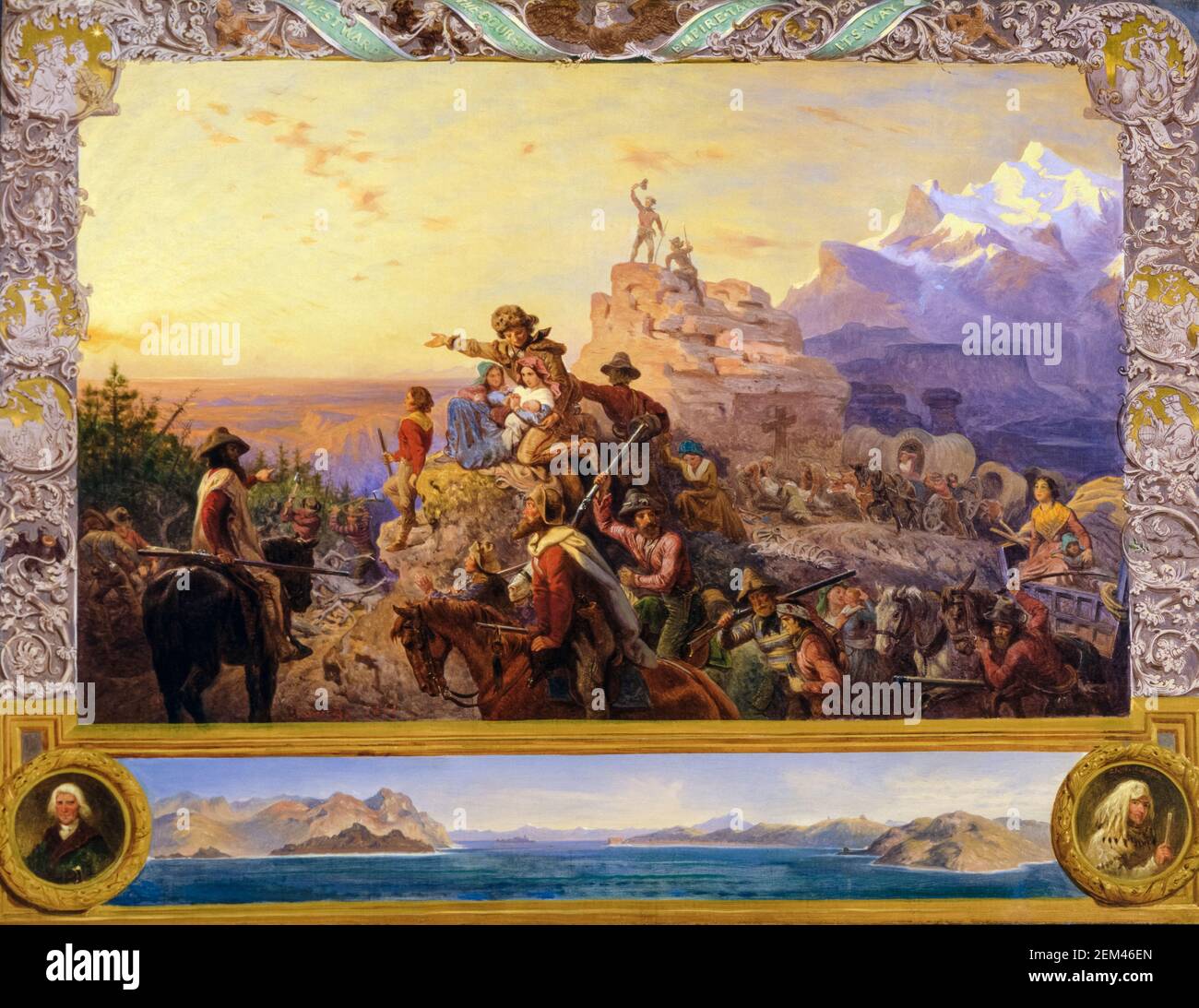
Westward, the Course of Empire Takes Its Way, (mural study for the US
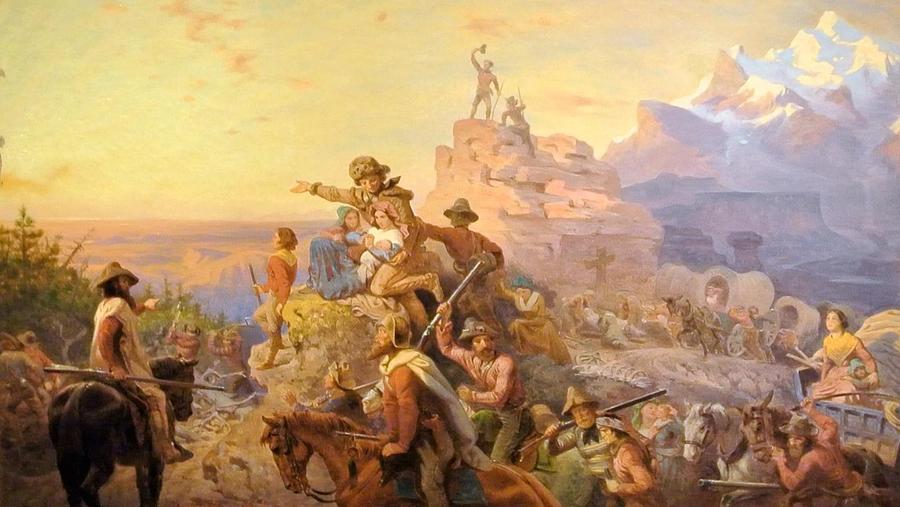
Westward the Course of Empire Takes Its Way preliminary study for a

Westward the Course of Empire Takes Its Way, Emanuel Leutze, 1862

Westward the Course of Empire Takes Its Way by Emanuel Leutze, 1861

Westward the Course of Empire Takes Its Way, Emanuel Leutze, 1862

Westward the Course of Empire Takes Its Way / Emanuel Gottlieb Leutze

'Westward the Course of Empire Takes Its Way' (often known as 'Westward
Best Buy The Way West Westward, The Course of Empire Takes Its Way
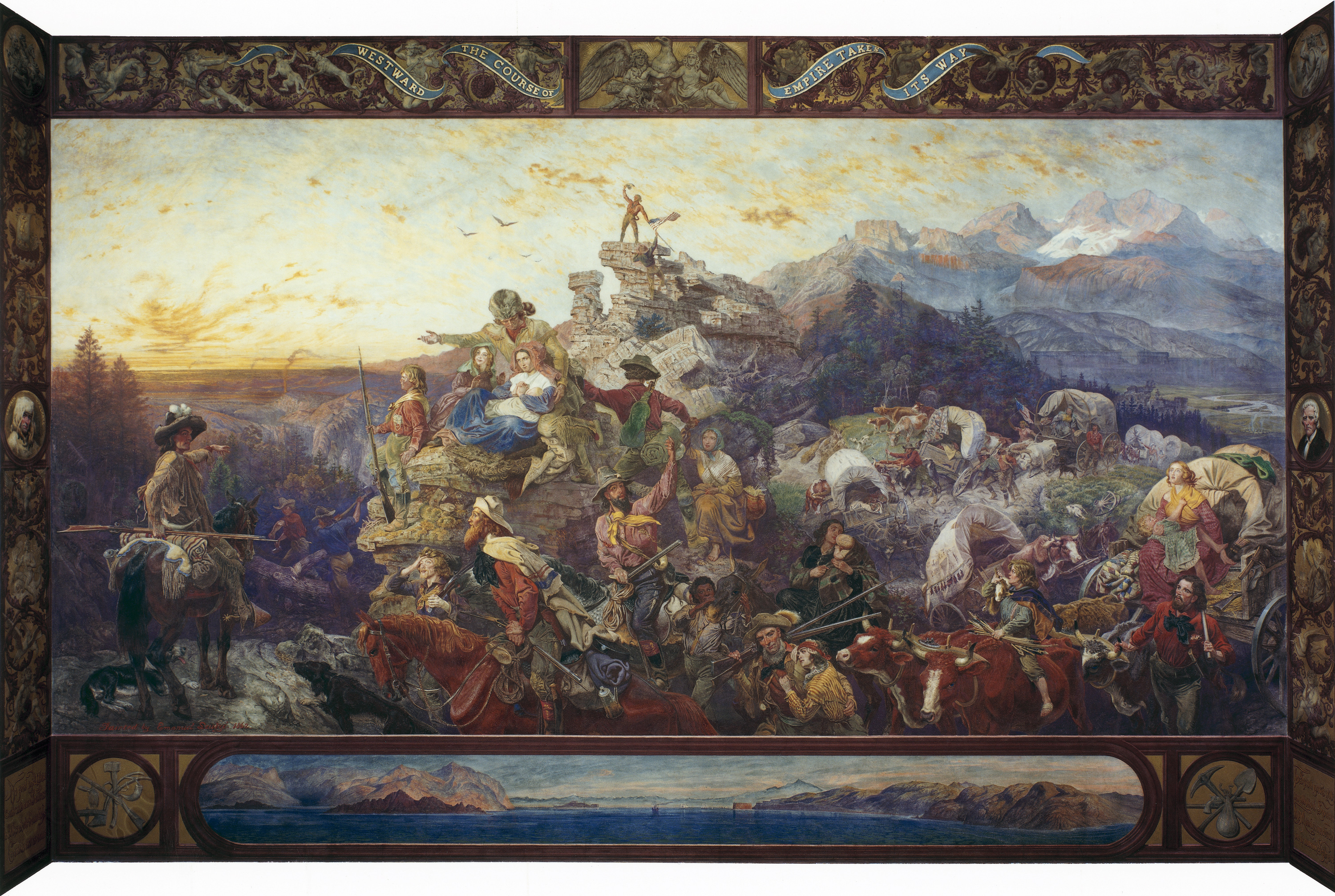
Westward the Course of Empire Takes Its Way Architect of the Capitol
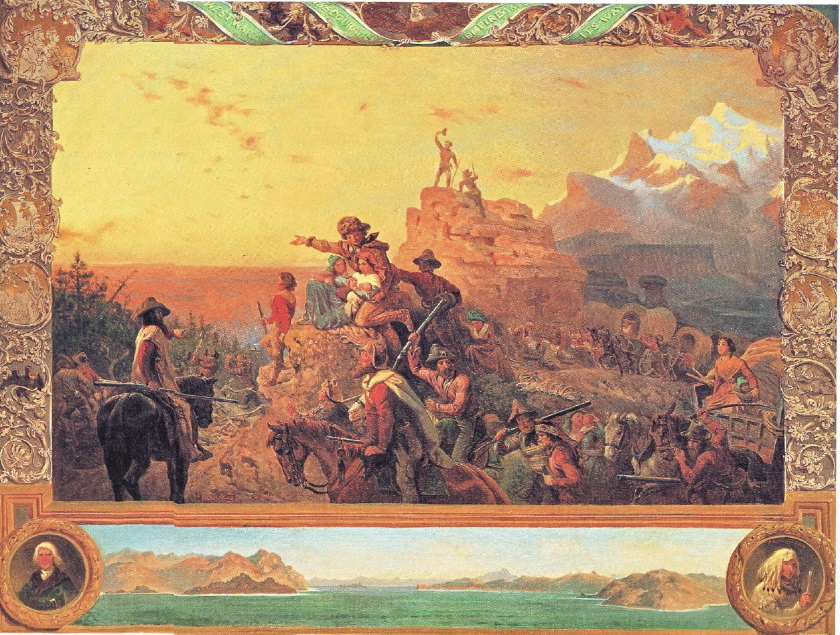
Emanuel Leutze. Westward the Course of Empire Takes Its Way. 1861. Oil
Capitol Building, Emmanuel Leutze Visualized The Concept Of Manifest Destiny, Combining Religious And Patriotic Imagery To Glorify Westward Expansion.
Invite Individuals Or Small Groups Of Students To Examine Reproductions Of Across The Continent:
Time's Noblest Offspring Is The Last.”On The Strength Of A.
They Read, To The Left, “J.m.
Related Post: